How TitanWave Logistics Optimizes Last-Mile Delivery Across the U.S.
TitanWave Logistics has built its reputation on solving one of the hardest problems in modern commerce: last‑mile delivery at scale. As e‑commerce volumes grow and customer expectations tighten around same‑day and next‑day delivery, the final leg from local hub to doorstep has become both a competitive differentiator and a cost sink. TitanWave’s approach blends technology, data, and operational discipline to make last‑mile delivery faster, more reliable, and more efficient across the U.S.
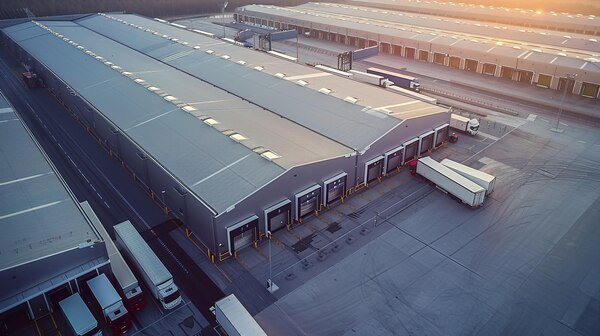
At the core of TitanWave’s strategy is a dense, data‑driven network of urban and suburban micro‑fulfillment centers. Instead of relying solely on a small number of large regional hubs, TitanWave distributes inventory closer to demand. This shortens average route distance, reduces fuel consumption, and makes it feasible to offer narrow delivery windows even in congested metros. Inventory placement is driven by predictive analytics: historical order patterns, demographic data, local seasonality, and even external signals like weather forecasts and regional events feed into demand‑forecasting models that determine what should be stocked, where, and when.
Route optimization is the second pillar. TitanWave uses dynamic route planning software that continuously recalculates the most efficient paths based on real‑time inputs. Traffic congestion, accidents, road closures, and new incoming orders are all factored into a constantly updating model. Rather than locking routes the night before, TitanWave re‑optimizes throughout the day, letting drivers adapt on the fly via mobile apps. This reduces miles driven per package, increases stops per hour, and smooths out peaks in driver workload. Algorithms account for vehicle capacity, service‑time constraints, promised delivery windows, and local regulations, such as quiet‑hour restrictions in residential neighborhoods.
To bridge the gap between national coverage and local nuance, TitanWave blends in‑house fleets with a curated network of local delivery partners. In dense city cores, TitanWave often deploys smaller vehicles, e‑bikes, or even walking couriers to navigate traffic and limited parking. In suburban and rural areas, larger vans and partner carriers are used to maintain route density and control costs. This hybrid model allows TitanWave to scale up quickly in new markets while retaining direct control over service standards, branding, and customer experience.
Advanced telematics and IoT devices give TitanWave deep visibility into operations. Vehicles are equipped with GPS and sensors that track location, speed, idle time, and even driver safety indicators like hard braking or sharp turns. Scanning and mobile proof‑of‑delivery (POD) tools provide package‑level traceability, including time‑stamped photos, signatures, or secure drop‑off verification. This visibility enables live exception management: if a vehicle falls behind schedule or a package is misrouted, local control towers can intervene immediately, reassign stops, or adjust delivery promises in real time.
Customer communication is equally important to TitanWave’s optimization efforts. The company provides proactive, transparent updates via SMS, email, and app notifications: out‑for‑delivery alerts, narrow ETA windows, “driver is nearby” messages, and immediate exceptions if there are delays. Customers can reschedule delivery, reroute to secure lockers or pickup points, or specify detailed instructions for contactless drop‑off. Reducing missed deliveries cuts down on costly re‑attempts, shrinks the number of packages returning to depots, and improves satisfaction scores.
Data science underpins continuous improvement. TitanWave aggregates performance metrics across regions and partners: on‑time delivery rates, first‑attempt success, cost per stop, dwell times at buildings, and return‑to‑origin frequency. Machine learning models then identify patterns and root causes—such as specific neighborhoods with chronic access issues, buildings that require extra check‑in time, or time windows that repeatedly generate delays. Operational teams receive actionable playbooks, like adjusting time allowances for certain routes, pre‑registering vehicles with building management, or reconfiguring delivery clusters to improve density.
For shippers, TitanWave provides flexible delivery options that are optimized behind the scenes. Retailers and brands can configure different service tiers—same‑day, next‑day, scheduled, or economy—while TitanWave’s systems automatically decide the most efficient fulfillment node and transport combination. For example, same‑day orders from a retailer’s local store may be aggregated with nearby e‑commerce shipments on a shared route, balancing speed with cost. Cut‑off times are dynamically set per market based on real operating conditions rather than static national rules.
Sustainability is woven into TitanWave’s optimization strategy rather than treated as an afterthought. By minimizing empty miles and improving route density, the company cuts emissions alongside costs. In select urban markets, TitanWave pilots low‑emission zones supported by electric vans, cargo bikes, and consolidated evening deliveries. Carbon impact per package is tracked and reported back to enterprise clients, who increasingly use these metrics as part of their own ESG reporting. Over time, the data gathered helps TitanWave plan where to deploy EV fleets, charging infrastructure, and alternative delivery modes most effectively.
Technology alone does not solve last‑mile challenges; local adaptability is crucial. TitanWave tailors its approach to the nuanced realities of each U.S. market—tight parking and elevator bottlenecks in dense downtowns, long driveways and gate codes in suburbs, unpaved roads in rural areas, and extreme weather in regions prone to snowstorms or hurricanes. Standardized training for drivers and partners incorporates these scenarios, while local teams have the authority to tweak playbooks, shift delivery hours, or add temporary pop‑up depots during peak seasons.
Peak management is where TitanWave’s optimizations are stress‑tested. During holidays or major sales events, predictive systems forecast volume surges at a granular level, down to neighborhoods and time windows. The company pre‑positions inventory, supplements capacity with temporary fleets and pop‑up micro‑hubs, and tightens its real‑time monitoring. Dynamic pricing and capacity controls on expedited services help smooth demand, while proactive communication reduces customer anxiety during busy periods. Lessons from each peak are folded back into models for the following year.
Security and compliance are embedded across the last‑mile framework. For regulated products or high‑value items, TitanWave adds additional checks—ID verification, tamper‑evident packaging, specialized chains of custody, and restricted‑access lockers. Systems are designed to comply with state‑specific regulations, from age‑restricted deliveries to local privacy rules for customer data and driver monitoring. These additional constraints are integrated into route planning and driver apps so that compliance does not become an after‑the‑fact burden.
Underneath all of these tactics is a unified digital platform that connects shippers, TitanWave operations, drivers, and end‑customers. APIs allow retailers and marketplaces to integrate TitanWave services directly into checkout and order‑management workflows. Real‑time status flows back into merchant dashboards, enabling better customer service and inventory planning. Drivers rely on mobile apps that consolidate navigation, task lists, POD capture, messaging, and safety guidance into a single experience.
By combining distributed micro‑fulfillment, dynamic routing, rich data, and a hybrid delivery ecosystem, TitanWave Logistics turns the last mile from a cost‑heavy bottleneck into a scalable, predictable, and customer‑centric capability. In a landscape where speed, reliability, and transparency are non‑negotiable, its model shows how logistics providers can optimize last‑mile delivery across the U.S. without sacrificing flexibility or control.